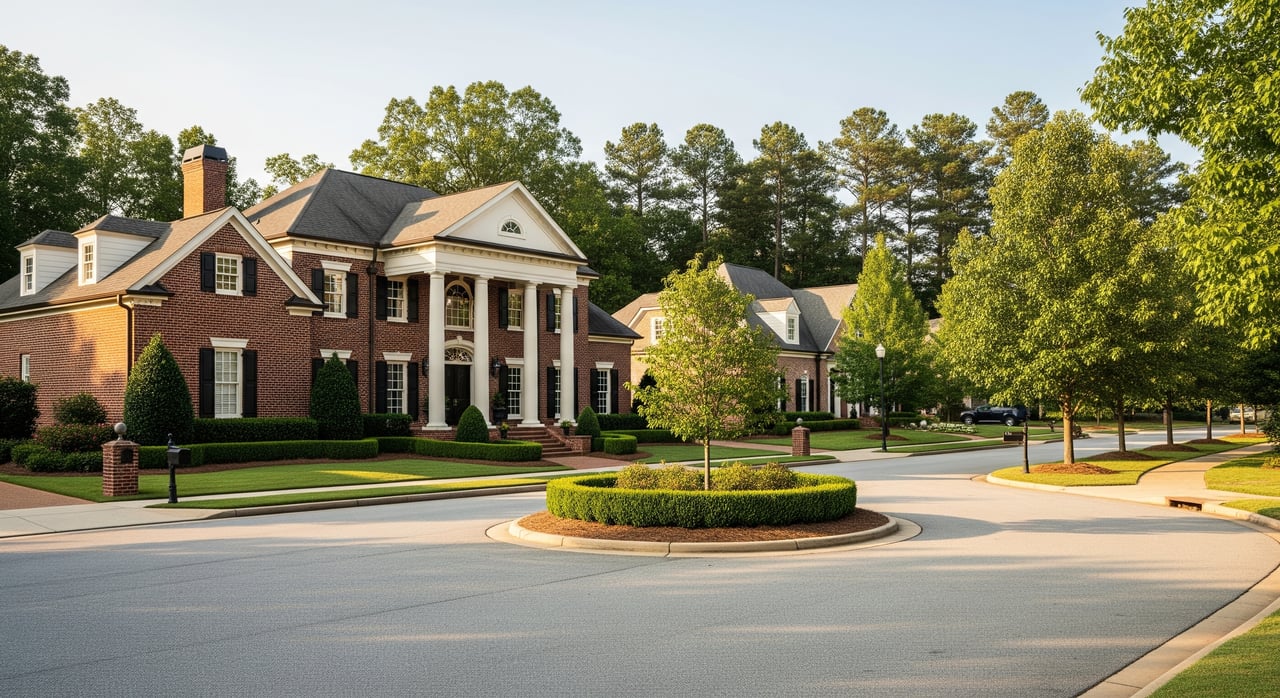
What exactly are HOA fees paying for, and how do they affect your budget when you buy or sell in Tuscaloosa? If you have wondered whether dues are “worth it” or worry about special assessments, you are not alone. Understanding HOA fees helps you compare neighborhoods fairly, plan for real costs, and avoid surprises at closing. In this guide, you will learn what dues typically cover, how they are set, what to review before you sign, and what to watch for in Tuscaloosa communities. Let’s dive in.
What HOA fees cover in Tuscaloosa
HOA fees fund the shared parts of a neighborhood or building. Most budgets include operating expenses like landscaping, lighting, amenity upkeep, security, and the management company’s fee. Many communities also pay common utilities for entrances, pools, or clubhouses, and some include water, sewer, cable, or internet. Always verify what is included for the specific property you are considering.
Associations carry a master property and liability insurance policy. Coverage varies by community. In condos, the master policy usually covers the building exterior and common areas. Individual owners often need an HO-6 policy for interior finishes and personal property. Ask for the insurance certificate and deductible details so you know where owner coverage begins.
Healthy associations also contribute to a reserve fund. Reserves cover long-term capital items like roofs, paving, or major mechanical systems in shared facilities. Strong reserves lower the risk of sudden special assessments. If reserves look thin, ask about the plan to rebuild them.
Community types and how dues differ
Condos and townhomes
Condo associations typically charge monthly dues. These often cover exterior building maintenance, master insurance, and common-area utilities, with some communities including select in-unit utilities. Because costs are centralized, dues may be higher than in a single-family subdivision, but they also offset expenses you would otherwise pay individually.
Single-family subdivisions with HOAs
In many Tuscaloosa-area subdivisions, dues pay for entrance landscaping, common-area maintenance, and amenities like pools or walking paths. Fees can be billed monthly, quarterly, or annually. You still handle your own home’s exterior and insurance, but the HOA enforces covenants and architectural rules.
Master-planned communities
Some neighborhoods have layered associations. You may pay into your neighborhood HOA and a master association that maintains larger amenities or infrastructure. Review both sets of documents and budgets to understand your total obligation.
University-adjacent and mixed communities
Near the University of Alabama, you may see unique rules related to parking, leasing, or short-term rentals. Some complexes marketed to students operate with specific policies that affect costs and community expectations. Confirm these rules early if you plan to rent.
How HOA fees are set and adjusted
Associations build an annual budget from expected operating costs plus a target reserve contribution. The total is divided among units based on the governing formula in the covenants or bylaws. Your share depends on your unit or lot factor, not the sale price of your home.
Special assessments occur when reserves are not enough to cover a major repair or an unexpected issue. Ask whether any assessments are pending, recently approved, or under discussion in meeting minutes. Repeated special assessments can signal underfunded reserves or rising insurance and maintenance costs that the budget has not absorbed.
Board authority and owner voting procedures are laid out in the governing documents. That is where you will learn how dues are increased, how budgets are adopted, and how rules can be changed. If any process is unclear, ask the management company or consult a local attorney.
Financing and insurance implications
Mortgage underwriting
Lenders count recurring HOA dues in your monthly housing expense. This affects debt-to-income ratios and loan approval. Lenders may also review association financials and delinquency rates to check overall stability. Weak documentation or poor financial health can complicate underwriting.
Condo approvals
Some loan programs require condominium projects to meet specific eligibility criteria. If a condo does not meet those criteria, your financing choices may narrow and down payment needs may rise. Confirm project eligibility with your lender early if you are buying a condo.
Master policy and owner coverage
Know exactly what the master insurance policy covers. In a condo, you typically insure interior improvements and personal property with an HO-6 policy. High master-policy deductibles or coverage gaps can shift risk to owners. Ask for insurance certificates and deductibles so you can align your policy accordingly.
Due diligence for buyers
Documents to request
- Declaration of Covenants, Conditions & Restrictions (CC&Rs) and any amendments
- Bylaws, Articles of Incorporation, rules and architectural guidelines
- Current budget and the last 2–3 years of financial statements
- Reserve study (if available) and current reserve account balance
- Board meeting minutes from the last 6–12 months
- Master insurance certificates and deductible details
- Estoppel letter or statement showing dues, delinquencies, assessments, and violations
- Management company contact and contract term
- Any disclosures about pending or recent litigation
Questions to ask
- How are dues billed and collected (monthly, quarterly, or annually)?
- What services and utilities are included in dues?
- Are any special assessments planned or recently approved? For what?
- What are the rental and short-term rental policies and how are they enforced?
- What are the rules for exterior changes, parking, and pets?
- How is the reserve funded and how does it compare to target levels?
- What is the current owner delinquency rate?
On-site checks
- Walk common areas and amenities to gauge maintenance and cleanliness
- Observe posted rules, parking conditions, and lighting
- If possible, ask neighbors about board responsiveness and typical issues
A simple checklist for sellers
- Gather and share current HOA documents early in the listing process
- Disclose the dues amount, billing schedule, and any pending or recent assessments
- Locate approvals for past exterior changes and keep them on file
- Coordinate with the HOA or manager to order the required estoppel or closing certificate
- Confirm fees or transfer charges that may be due at closing
Red flags to watch
- No recent budget, missing financials, or no reserve study
- High owner delinquency rates that strain cash flow
- Frequent or rising special assessments without a long-term plan
- Significant litigation involving the association
- Unclear insurance coverage or very high deductibles
- Rules that are overly restrictive or enforced inconsistently
- Rapid board turnover or contentious meeting minutes
- Frequent management company changes for complex communities
Tuscaloosa-specific considerations
Growth and developer control
With new subdivisions coming online, some associations are still under developer control. During this period, rules and budgets may be evolving. Ask for the timeline for transition to homeowner control and any turnover documents that outline responsibilities and reserve funding.
Proximity to the University of Alabama
Neighborhoods near campus can have strong rental demand and specific rules on leasing, occupancy, parking, or short-term rentals. Confirm policies if you plan to rent long term or seasonally. Clear rental rules protect value and reduce surprises after closing.
Floodplain and stormwater items
If a community has ponds, culverts, or shared stormwater systems, the association may be responsible for maintaining them. Review easements and maintenance language so you understand recurring costs and long-term obligations for these systems.
Records and where to find them
Recorded covenants, plats, and amendments can be found through the Tuscaloosa County Probate/Recorder’s office. City or county planning portals may also have subdivision approvals and plats. Your seller, HOA, or management company can provide the full package of governing documents and the estoppel letter.
Plan your budget with confidence
Build your budget by adding HOA dues to principal, interest, taxes, and insurance. If dues include utilities, adjust your utility estimates down accordingly. Ask your lender whether they will escrow dues and whether that changes your monthly out-of-pocket rhythm. If a special assessment is pending, factor in timing and who will pay it at closing.
A little due diligence goes a long way. When you review the budget, reserves, insurance, and meeting minutes, you get a clear picture of how a community is managed and whether the dues match the services you value. If you want help comparing neighborhoods or interpreting HOA documents, reach out for local guidance you can trust. Connect with Traci Taft to walk through your HOA questions and next steps.
FAQs
Are HOA fees negotiable when I buy a home in Tuscaloosa?
- The recurring dues are set by the association, but you and the seller can negotiate who pays upcoming dues or special assessments at closing.
Can an HOA in Alabama foreclose for unpaid dues?
- Many associations have lien and collection rights in their documents and under Alabama law; consult an attorney for specifics on risk and process.
Will my lender escrow HOA dues with my mortgage?
- Some lenders do, but it varies by lender and loan program; confirm early in your financing process.
How do special assessments affect me as a buyer?
- Special assessments add cost; ask about pending projects and whether assessments have been disclosed or approved so you can plan and negotiate.
Are HOA rules enforceable against tenants in Tuscaloosa?
- Yes. Covenant restrictions generally bind owners and tenants, and many associations require tenant registration and have enforcement procedures.