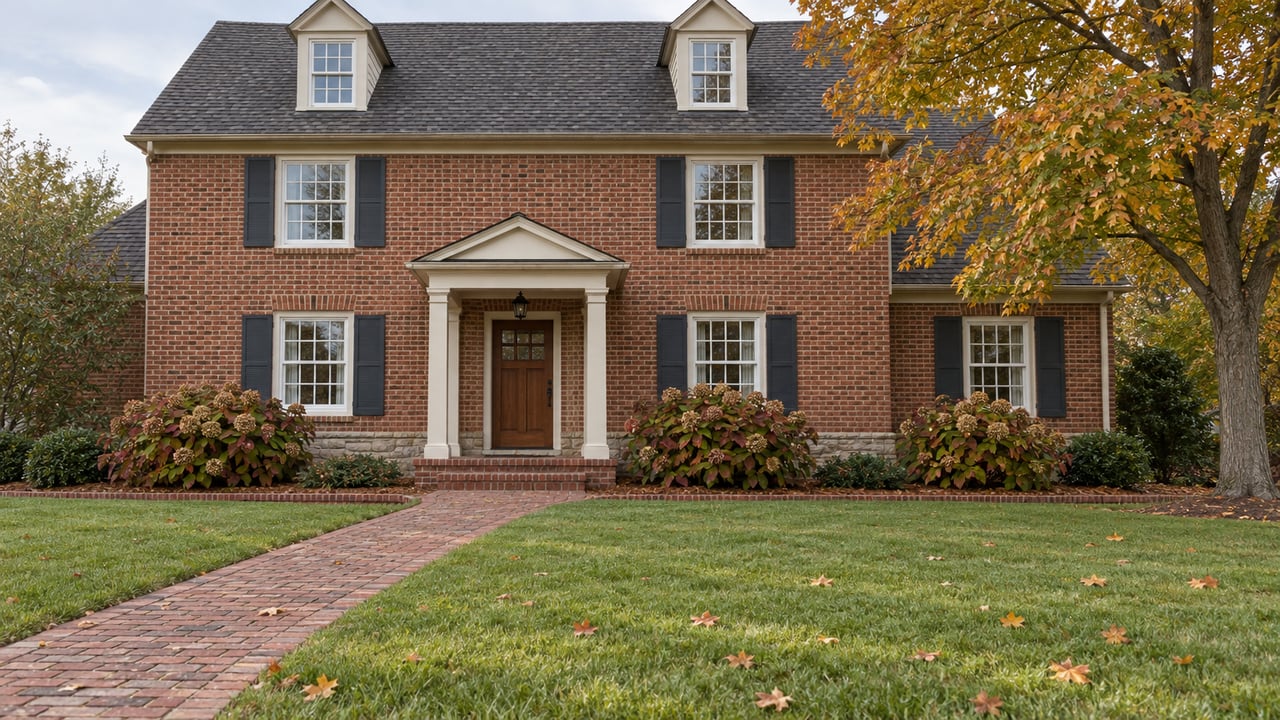
Wondering whether Northport’s older streets or a newer subdivision is the better fit for your next move? That choice often comes down to how you want to live day to day, from your commute and street layout to the kind of neighborhood setting you enjoy most. If you are weighing charm against newer planning, this guide will help you compare both in a clear, practical way. Let’s dive in.
How Northport is growing
Northport is not standing still. The city’s planning work shows that housing, transportation, infrastructure, and future growth are all active topics, especially as development continues in northern growth areas.
Northport’s 2022 comprehensive-plan request for proposals said the population grew 33% from 2010 to 2020, reaching 31,125 residents. Census QuickFacts lists a 2024 population estimate of 31,492, along with a mean travel time to work of 21.7 minutes. That growth helps explain why buyers today often compare established streets near the historic core with newer planned communities farther out.
What established streets mean in Northport
Historic areas have a documented identity
In Northport, “established streets” is not just a casual phrase. The Northport Historic District is officially recognized by the National Park Service along Main Avenue and nearby streets, with a mix of Greek Revival, Queen Anne, Craftsman, Tudor Revival, bungalows, and other vernacular home styles.
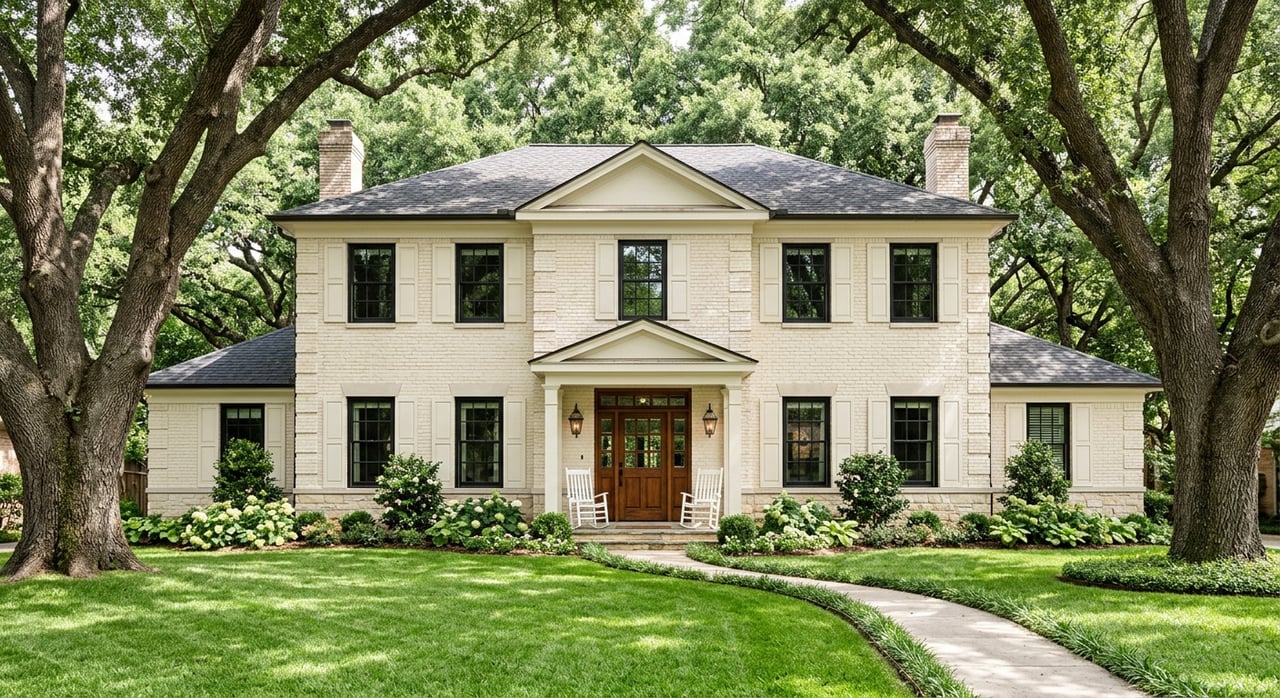
That matters if you are drawn to homes that do not all look the same. In these older areas, the appeal often comes from visual variety, mature street patterns, and a stronger connection to the city’s historic core.
Downtown adds to the setting
Historic Downtown Northport includes a brick street, ornate lighting, landscaping, galleries, museums, shops, and restaurants, according to the city’s arts and culture information. For buyers who like being closer to downtown activity, that setting can shape how the neighborhood feels beyond the property line.
This does not make one part of town better than another. It simply means established streets often offer a more layered setting, with older blocks and a closer tie to downtown amenities.
Zoning protects the historic form
Northport’s zoning ordinance treats historic neighborhoods as a distinct district. The Historic Neighborhood district is intended to protect historic integrity and physical character while keeping the area urban, pedestrian-friendly, human-scaled, and residential.
The rules also reinforce that physical pattern. Lots must be at least 50 feet wide, and new buildings generally must face the street and follow the established block pattern. For you as a buyer, that means the city is actively trying to preserve the basic feel of these areas.
What newer subdivisions are designed to offer
Newer areas are more planned by design
Newer subdivisions in Northport are usually best understood as planned environments. The city’s rules encourage structure in how streets, lots, open space, and shared features come together.
Northport’s zoning ordinance includes a New Urban Neighborhood district for newer growth areas. The ordinance says this district is intended to be urban, pedestrian-friendly, human-scaled, and to include a variety of housing types, including multifamily, attached, and detached homes.
Lot sizes can vary by district
The city’s single-family zoning districts also show a range of lot standards. RS-1 lots are 15,000 square feet and 95 feet wide, RS-2 lots are 12,000 square feet and 85 feet wide, and RS-3 lots are 9,000 square feet and 75 feet wide.
That does not tell you exactly what any one neighborhood will feel like, but it does show how Northport organizes newer residential development. If lot size, spacing, and street layout are high on your list, these standards are useful context.
Shared spaces may be part of the plan
Northport’s subdivision regulations add another layer. Lots must front dedicated public streets, and common open spaces and shared improvements must be owned and maintained by a property owners’ association, condominium association, or another approved private entity.
The rules also allow flexible site design standards in planned developments and condominiums. In medium- or high-density residential subdivisions, the city can require pedestrian passages, which can shape how connected the neighborhood feels.
Lifestyle tradeoffs to think through
Choose character or consistency
If you are deciding between established streets and newer subdivisions, the real question is often what kind of daily setting fits you best. Established Northport streets are usually the better match for buyers who want historic texture, mature street patterns, and a closer connection to downtown.
Newer subdivisions are usually the better match for buyers who want newer planning, more standardized lot and streetscape rules, and the possibility of HOA-managed open space or shared amenities. Neither option is automatically right. The best fit depends on your priorities.
Think beyond the house itself
A beautiful kitchen matters, but so does what happens when you leave the driveway. Your routine may look very different if you want quick access to downtown Northport versus a newer area shaped by more recent growth patterns.
That is why neighborhood fit is more than curb appeal. Street layout, lot arrangement, nearby routes, and access to parks or services can all affect how comfortable your home feels over time.
Commute and route planning matter
River crossings shape travel patterns
Northport sits across the Black Warrior River from Tuscaloosa, so route choice can be a real part of your daily routine. Census QuickFacts lists the city’s mean commute time as 21.7 minutes, which is fairly moderate, but local traffic patterns still matter.
The city’s 2025 road-closure notice at 1st Street near Hugh Thomas Bridge and its 5th Street improvement project, which includes sidewalks and a pedestrian bridge, are good reminders that bridge access and corridor design can affect day-to-day travel. If you commute across town or across the river, that should be part of your home search.
Street design affects convenience
Northport has also made transportation safety a clear focus. The city’s Safe Streets and Roads for All information says Northport adopted its Safety Action Plan on June 2, 2025, based on 5,376 crashes on public roadways inside city limits from 2019 to 2023, including 19 fatal crashes.
For buyers, that means commute convenience is not only about distance on a map. Turning movements, corridor design, and the roads you use most often can all shape your experience.
School-route logistics can influence your search
Tuscaloosa County School System says it serves more than 19,000 students across 36 campuses. Northport Elementary was built in 2008 to relieve overcrowding and is about seven miles north of downtown Northport. Northport Intermediate serves grades 5 through 6, and Tuscaloosa County High School is located in Northport.
If you are balancing school drop-off, work travel, and after-school activities, location can make a practical difference. For some buyers, a downtown-adjacent street may fit the routine better. For others, a newer northern subdivision may line up more naturally with daily routes.
Recreation is available across the city
Established and newer areas both have access
No matter which setting you prefer, Northport offers recreation throughout the area. The city highlights Civitan Park, a tree-shaded park with a paved walking track, and the Richard L. Platt Memorial Levee Trail, a 2.5-mile paved trail.
The city also points to Lake Lurleen State Park, about 15 minutes from downtown, with camping, swimming, paddling, and picnic amenities. Additional facilities include TCPARA locations such as Van de Graaff Park & Arboretum and Mason’s Place All Inclusive Playground.
Your version of convenience may differ
Some buyers want to be closer to downtown features like shops, galleries, and restaurants. Others care more about how a subdivision is laid out, whether there is common open space, or how easy it is to get to parks and daily errands.
This is where a neighborhood comparison becomes personal. The better choice is the one that supports your real routine, not just the one that looks best in photos.
How to decide between the two
If you are torn between Northport’s established streets and newer subdivisions, start with a few simple questions:
- Do you want a more historic setting with varied home styles?
- Do you prefer a newer planned layout with more uniform standards?
- How important is downtown access to your daily life?
- Which commute routes will you use most often?
- Do lot size and street pattern matter to you?
- Would shared open space or managed common areas be a benefit?
When you answer those honestly, the right direction usually gets clearer. In Northport, this decision is less about old versus new and more about matching your lifestyle to the way each area is built.
If you want help comparing Northport neighborhoods block by block, local guidance can save you time and help you focus on what fits your goals. Traci Taft can help you evaluate the details that matter most, whether you are buying, selling, relocating, or simply narrowing your options.
FAQs
What are Northport’s established streets known for?
- Northport’s established streets are most closely tied to the historic core, including the recognized Northport Historic District, where you will find varied architectural styles, mature street patterns, and a closer connection to downtown Northport.
What defines newer subdivisions in Northport?
- Newer subdivisions in Northport are generally shaped by current zoning and subdivision rules that emphasize planned street layouts, public street frontage, possible shared open space, and in some cases pedestrian connections and HOA-managed common areas.
How does commute planning affect where you should live in Northport?
- Commute planning matters because Northport sits across the river from Tuscaloosa, and route choice, bridge access, corridor design, and local street projects can all affect how convenient your day-to-day travel feels.
Are newer Northport subdivisions only made up of one type of home?
- Not always. Northport’s New Urban Neighborhood district is intended to allow a variety of housing types, including multifamily, attached, and detached homes.
Why do school routes matter when comparing Northport neighborhoods?
- School routes can influence your daily schedule because campuses are spread across the area, and the location of your home may affect drive times for drop-off, pick-up, and after-school activities.
Is one type of Northport neighborhood better for everyone?
- No. Established streets and newer subdivisions offer different strengths, and the better choice depends on your priorities, such as historic character, downtown access, lot standards, planned amenities, and commute patterns.