Thinking about downsizing in Tuscaloosa but not sure what your next home should actually look like? That is a common place to be. You may want less upkeep, better convenience, or a home that fits this next season of life without giving up comfort. The good news is that Tuscaloosa offers several practical paths, and with the right plan, you can narrow your options with confidence. Let’s dive in.
Why downsizing makes sense in Tuscaloosa
Tuscaloosa remains a fairly active market for move-down buyers. Redfin reported a median sale price of $284,000 in March 2026, up 6.5% year over year, with homes selling in a median of 35 days. That pace matters if you are trying to sell your current home and buy something more manageable.
Tuscaloosa’s overall cost of living is also reported at 11% below the national average. For many homeowners, that helps make downsizing feel more realistic, especially if your goal is to trade extra space for convenience, lower maintenance, or a more central location.
Downsizing is not only about square footage. It is really about finding a home that better fits how you live now. That could mean fewer stairs, less yard work, easier parking, or being closer to downtown, the riverfront, or everyday errands.
Start with your real downsizing goals
Before you tour condos, townhomes, or smaller detached homes, take a step back and define what you want to improve. A smaller home only feels like the right move if it solves the issues you are dealing with today.
Ask yourself questions like these:
- Do you want less exterior maintenance?
- Do you want to drive less often?
- Do you need better storage, even in a smaller home?
- Do you want to stay close to Tuscaloosa or consider Northport too?
- Do you want a home with broad resale appeal later on?
When you know your priorities, it gets much easier to compare property types. You stop shopping by square footage alone and start shopping by lifestyle fit.
Compare your main home options
Tuscaloosa downsizers usually look at three main choices: condos, townhomes, and smaller single-family homes. Each one can work well, but each comes with a different balance of upkeep, privacy, and monthly costs.
Condos offer the lowest-maintenance lifestyle
For many empty nesters, condos are the simplest option. Shared areas and much of the building-level upkeep are typically handled through the association, which can reduce the number of home tasks on your plate.
That convenience comes with extra homework. Monthly condo fees are usually paid separately from your mortgage, and buyers should ask about reserve funds, special assessments, bylaws, parking, insurance coverage, and whether the project is warrantable. Fannie Mae also notes that buyers usually have a limited time to review condo documents after an offer is accepted.
If you are serious about low maintenance, a condo can be a strong fit. Just make sure the numbers and the rules match your expectations before you commit.
Townhomes can be a middle-ground choice
Townhomes often land between condos and detached homes in day-to-day maintenance. They can offer a bit more separation and private entry while still reducing some exterior responsibilities.
The key is not to assume what is covered. Association documents control the real split of responsibilities, so you will want to verify what the monthly fee includes, whether there is a reserve balance, and whether the community has a history of special assessments.
A townhome can be a great downsizing solution if you want a manageable footprint without fully giving up the feel of a traditional home. It works best when the maintenance arrangement is clear and the long-term costs are easy to understand.
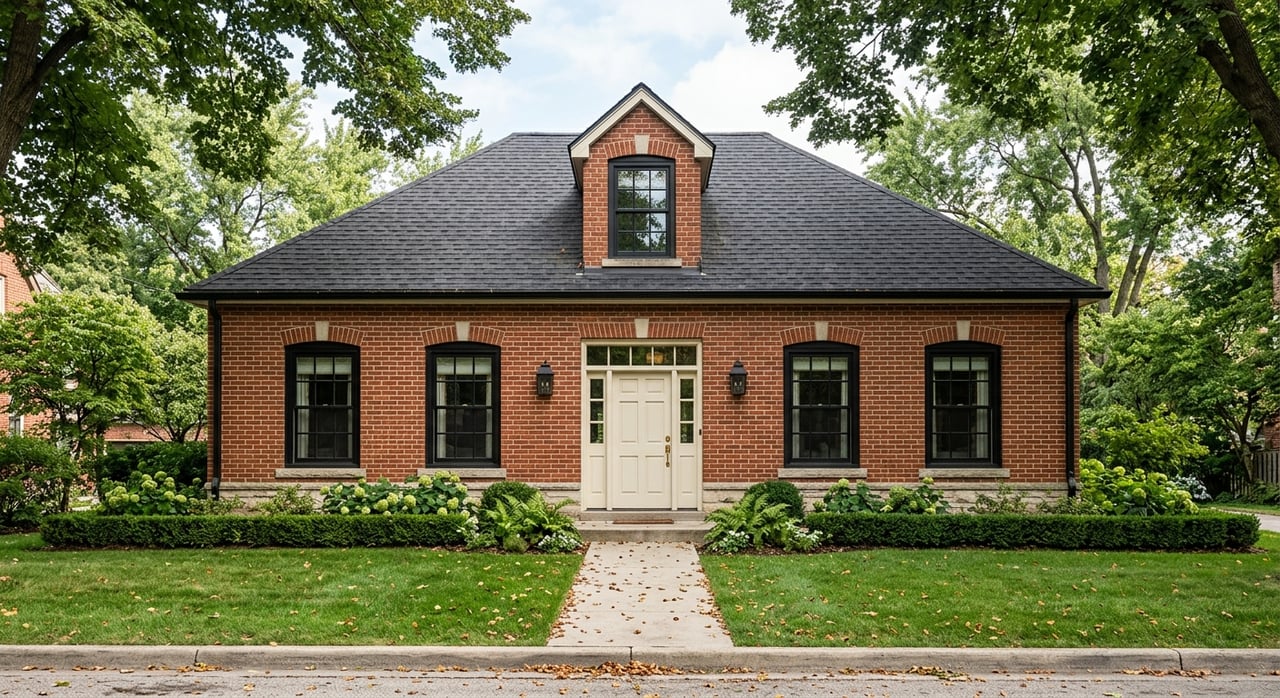
Smaller single-family homes offer independence
A smaller detached home gives you the most control. You usually get more independence, more flexible storage, and fewer shared rules than you would with a condo or townhome.
The tradeoff is responsibility. You are generally in charge of the exterior, yard care, and long-term maintenance. Inside Tuscaloosa city limits, garbage service is mandatory for single-family homes, carts must be placed out by 6 a.m. on collection day and removed by 8 a.m. the next day, and carts may not be stored in the front yard in historic districts. The city also provides free curbside recycling.
Those details may seem small, but they matter when you are trying to simplify daily life. In older in-town neighborhoods especially, practical items like storage, curbside setup, and exterior upkeep should be part of your decision.
Focus on location, not just house size
The right downsizing move is often as much about where you live as what you buy. If your goal is convenience and less driving, Tuscaloosa’s in-town areas deserve a close look.
The city describes the Downtown Core as a dense and walkable district, and its zoning rewrite says the Downtown district is intended to support a walkable, visually attractive mix of employment, entertainment, civic, and residential uses. That makes downtown and nearby in-town neighborhoods especially relevant if you are considering condos, townhomes, or smaller homes.
Tuscaloosa’s Riverwalk also adds to the appeal of in-town living. The city says the Riverwalk is a two-mile path along the Black Warrior River that winds past shops and eateries, while the Western Riverwalk project is intended to connect the riverfront with the amphitheater, downtown, the Saban Center, and the University of Alabama.
If you want a quieter setting without leaving the metro area, Northport can also be worth considering. The City of Northport describes Historic Downtown Northport as a collection of art galleries, stores, museums, and restaurants with brick streets, ornate lighting, and landscaping. For some buyers, that can offer a comfortable mix of charm and convenience.
Think carefully about in-town resale value
Downsizing is often a long-term move, but resale still matters. If you ever need to sell again, broad buyer appeal can protect your flexibility.
Tuscaloosa’s University Area plan supports that idea for many in-town properties. The plan says the area includes the city’s civic and urban core, the University of Alabama main campus, student residential areas, and historic neighborhoods, and it expects continued redevelopment. That does not guarantee future value, but it does support the idea that well-located smaller homes may continue to attract interest from a range of buyers.
In practical terms, the most marketable downsizing homes often have features like useful storage, sensible parking, low-maintenance design, and access to walkable amenities. Those are the details that tend to matter in daily life now and during resale later.
Check monthly ownership costs before you buy
A lower price point does not always mean a lower monthly payment. Downsizing works best when you look at the full carrying cost, not just the list price.
Property taxes are one part of that picture. The Tuscaloosa County tax collector says property taxes are due October 1 each year and become delinquent after December 31. The county assessor and the Alabama Department of Revenue also outline homestead exemptions for eligible owners, including certain taxpayers age 65 and older and certain disabled taxpayers, which may affect overall ownership costs if you qualify.
For condos and townhomes, association dues are another major factor. Be sure you understand what those fees cover and whether future assessments may be possible. A home with a lower asking price can still feel expensive if dues are high or if reserve funding is weak.
Do not overlook flood risk
In Tuscaloosa, flood risk should be part of your search, especially if you are considering riverfront, lake-area, or other low-lying properties. This is one of those details that can directly affect both monthly costs and long-term comfort.
The city says long-range flooding can occur from the Black Warrior River, flash flooding can come from creeks and streams, and flooding can also result from overloaded storm drainage systems. Tuscaloosa participates in the National Flood Insurance Program, and the city notes that homeowners policies do not cover flood damage.
The city also says its flood maps can help determine whether a property is in a FEMA floodplain. Tuscaloosa notes a Class 8 Community Rating System status, which gives residents a 10 percent discount on flood insurance premiums. If a home is on your shortlist, this is a smart item to verify early.
Ask better questions during your search
Downsizing can go smoothly when you move past the obvious questions and focus on daily livability. The best smaller home is not just the one with the right bedroom count. It is the one that supports how you want to live.
As you compare properties, ask questions like these:
- Is parking included and convenient?
- How much storage is actually inside the home?
- What modifications are allowed if you want to personalize the space?
- If there is an association, how much is in the reserve fund?
- Are there any special assessments or known upcoming repairs?
- What major systems or building components may need replacement soon?
These questions are especially important for condos and townhomes. They can also help you avoid surprises and choose a home that feels easier, not just smaller.
A smart downsizing plan starts before you move
If you already own a home, downsizing is really two moves at once. You are not just buying the next place. You are also deciding how to prepare, price, and present your current home in a way that supports your next step.
That is where local strategy matters. In an active market like Tuscaloosa, timing, presentation, and neighborhood-specific pricing can make a real difference in how smoothly your transition goes.
If you are weighing whether a condo downtown, a townhome near the city core, or a smaller house in Tuscaloosa or Northport fits your next chapter, talking through the options with a local expert can save you time and stress. When you are ready to build a plan, Traci Taft can help you evaluate your current home, narrow your best options, and move forward with confidence.
FAQs
What is the best type of home for downsizing in Tuscaloosa?
- The best fit depends on your priorities. Condos usually offer the lowest maintenance, townhomes can provide a middle-ground option, and smaller single-family homes offer more independence but more upkeep.
Are downtown Tuscaloosa homes a good fit for downsizers?
- They can be, especially if you want a more walkable setting. The city describes downtown as a dense, walkable district with a mix of residential, civic, entertainment, and employment uses.
What should buyers ask before buying a condo in Tuscaloosa?
- You should ask about monthly fees, reserve funds, special assessments, parking, insurance coverage, bylaws, and whether the project is warrantable.
Do smaller single-family homes in Tuscaloosa still have maintenance demands?
- Yes. Even with less square footage, you are still generally responsible for exterior upkeep, yard care, and long-term maintenance.
How do property taxes work for downsizers in Tuscaloosa County?
- Tuscaloosa County property taxes are due October 1 and become delinquent after December 31. Some owners may also qualify for homestead exemptions, including certain age-65-and-older and disabled taxpayers.
Should downsizers check flood risk in Tuscaloosa before buying?
- Yes. The city says flood risk can come from the Black Warrior River, creeks and streams, and overloaded storm drainage systems, so it is wise to review floodplain information early in your search.