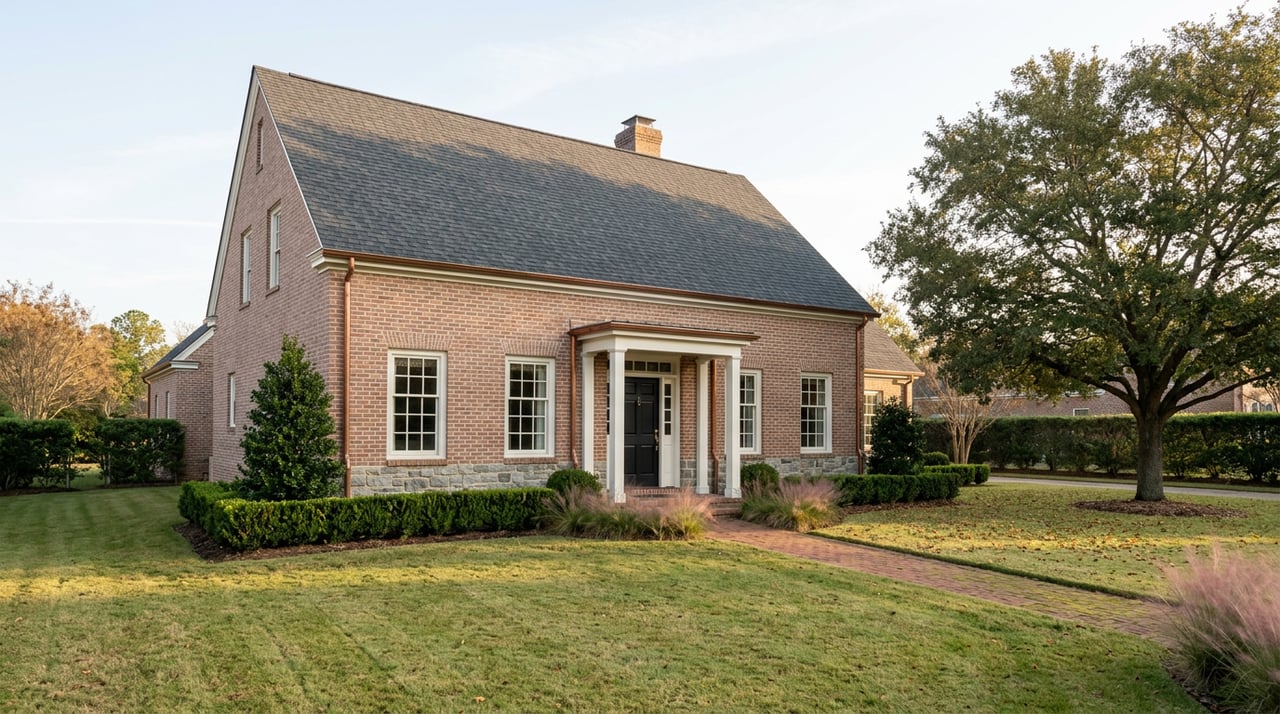
The number you see attached to "University Area" homes in Tuscaloosa is not describing one market. It is averaging two of them, and the two barely overlap. One is made up of 1920s cottages west of campus, with porches and yards. The other is made up of condos two or three blocks from Bryant-Denny Stadium, where proximity is a defining feature. Blend those two property types into a single median and you get a figure that fits neither one particularly well.
If you're comparing neighborhoods around the University of Alabama and you've already seen a median price online, this is the part that matters more than the number itself: which of the two markets you're actually shopping in, and why the same zip code can produce wildly different answers depending on what happened to be for sale the month someone pulled the data.
What the median is actually blending
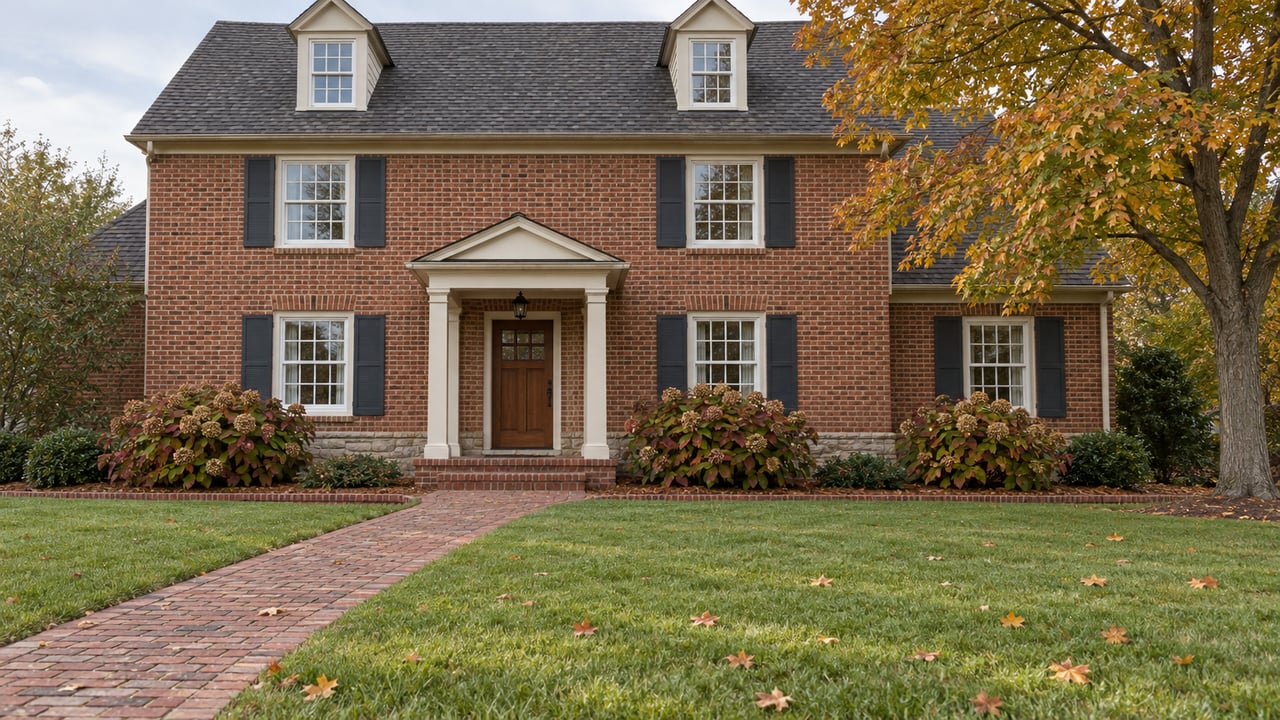
The western half of University Area is Tuscaloosa's older residential fabric. Colonial-style homes and cottages dating to the 1920s sit on tree-lined streets, mostly owned by people who live in them year-round rather than lease them out. As of mid-2026, listings in that segment have run from roughly $500,000 up to $1.5 million, depending on lot size and how much of the original detail survived a renovation.
Move closer to campus and the product changes entirely. Condos dominate the blocks nearest Bryant-Denny Stadium and the practice fields, and citywide data on University Area condos put one-bedroom units at a median around $209,900 and two-bedrooms around $389,000 in recent listings, with the top of that market (fully finished, gated, stadium-view units) stretching toward $4 million for the largest and most amenity-heavy places.
| Segment | Typical price range | Typical features | Location |
|---|---|---|---|
| Historic single-family (west side) | ~$500,000 to $1.5 million | Porches, yards, and residential streets | Tree-lined streets west of downtown |
| Condos near campus | ~$180,000 to $4 million | Campus proximity and game-day use | Walking distance to Bryant-Denny Stadium |
These are different comparison sets. Buyers comparing a porch and a school-adjacent street may not cross-shop a gated condo three blocks from the stadium, just as buyers evaluating rental yield on a two-bedroom unit may not tour a 4,000-square-foot cottage with a detached garage. They're just filed under the same neighborhood name.
Why two sources can't agree on the median
This is where the math gets interesting for anyone actually trying to read the market. Recent listing data put University Area's overall median around $517,900 as of July 2026. A separate tracker had it at $442,000 as of March 2026, up 7.8% year over year. Both figures are legitimate. Neither is wrong. They're just sampling different points in the same blended pool at different moments.
When a batch of new condo inventory hits the market, say a handful of units close at once in a stadium-facing building, the median shifts toward investment pricing even if not a single historic home changed hands that month. When the western side turns over instead, with a run of owner-occupant sales in the $600,000 to $800,000 range, the median drifts the other direction. The number isn't unstable because the market is chaotic. It's unstable because it's averaging two markets that move independently of each other, and whichever one happens to be transacting in a given month controls the headline.
That instability shows up in pace too. Homes across University Area overall were selling in about 39 days as of March 2026, up from 29 days the year before, a modest cooling. But new-construction listings in the neighborhood, which skew toward the higher-end condo and investment product, were sitting for around 106 days at a median list price near $770,000. That gap is the two markets showing their hand: owner-occupant resale is still moving at a reasonably brisk pace, while the newest, priciest investment product is taking considerably longer to find a buyer willing to pay premium pricing for stadium proximity.
The new supply is about to widen the split, not close it
Three developments delivering in University Area this year make the divide easier to see, because their features and locations place them differently within the market.
The Gates at South Zone sits on the corner across from Tutwiler Hall, a short walk to Bryant-Denny Stadium, and finished construction this summer. It's built with gated parking and a covered porch designed around football weekends.
The McLester was targeting a summer 2026 completion and is being marketed as the only condo development in the area with an on-site restaurant, aimed at buyers who want a turnkey unit near campus without the responsibilities of a single-family home.
Collier Row is the outlier, and it's worth watching. Nixon Companies is building four townhomes in Tuscaloosa's historic district, less than a mile from Bryant-Denny Stadium, each around 1,750 square feet with three bedrooms and three and a half baths. It's trying to bridge the two markets, offering historic-district character in a modern build close enough to the stadium to appeal to both a permanent resident and an investor. Whether that hybrid product succeeds will say something about whether the two University Area markets are starting to blur or whether they'll stay as separate as they've been.
For now, though, the Gates and the McLester are adding supply squarely to the condo and investment side of the ledger, while Collier Row is the one testing whether a hybrid product can pull buyers from both pools at once. If the condo inventory absorbs slowly, the way the 106-day new-construction figure suggests it might, expect the next few months of median data to lean toward the historic single-family side simply because that's where the sales are actually closing. If it absorbs quickly, expect the opposite.
What this actually means if you're shopping here
Stop asking what University Area homes cost and start asking which University Area product you're pricing. If you're comparing western-side cottages and colonials, the meaningful benchmarks are days on market and price per square foot within that specific pool, not the blended neighborhood median.
If you're evaluating the condo stock near the stadium for investment or game-day use, the more useful questions are about HOA rules on short-term or student leasing, parking allocation during home games, and whether a unit like Champions Place or the newer McLester product carries restrictions that would limit rental flexibility.
Either way, the headline median is a poor tool for either decision. It's a snapshot of an average, not a description of the house you're about to make an offer on.
A few questions worth settling before you write an offer
Does the historic west side have deed restrictions that would affect renovation plans? Many of the 1920s-era homes sit in or near Tuscaloosa's historic district, which can carry design review requirements for exterior changes. Confirm this before assuming a renovation timeline.
Are condo HOA rules different for owner-occupants versus investors? Buildings marketed toward game-day buyers often have specific rules about short-term rentals, guest parking on football weekends, and leasing minimums. Ask for the HOA documents before assuming you can rent the unit the way you're picturing.
Why did days on market rise even though prices went up? A 7.8% year-over-year price increase alongside a jump from 29 to 39 days on market as of March 2026 isn't necessarily a sign of a weakening market. It's more likely a sign that buyers are taking longer to commit at higher price points, which is common as a market moves from a strong seller's advantage toward something closer to balanced.
If you're trying to figure out which side of University Area actually fits what you're looking for, or whether a listing you've found is priced against the right comparison set, Traci Taft can walk through the specific streets and buildings with you. Schedule a free consultation and get a read on the market that's built around your actual plans, not the neighborhood-wide average.
This article is general information, not legal, tax or financial advice. Consult a qualified professional about your situation.