
Should you put your Northport home on the market now or hold out for spring? It is one of the most common questions sellers ask, and the answer is not one size fits all. Your best timing depends on your goals, your property, and what is happening in our local market right now. In this guide, you will learn how Northport’s mild winters and the University of Alabama calendar shape buyer activity, the trade-offs of listing in winter versus spring, and the exact steps to make either season work for you. Let’s dive in.
Northport seasonality at a glance
Many markets see demand peak in spring and cool in winter. Northport follows a similar rhythm, but our climate and local economy soften the seasonal swings. Mild winters make showings and inspections easier, and curb appeal is not buried under snow. That means winter sales here are more practical than in colder regions.
The University of Alabama also shapes demand. Turnover for rentals and some nearby neighborhoods often runs on an academic schedule, with late spring and early summer seeing more activity. That can impact certain property types and locations more than others.
Your buyer pool is a mix of relocating professionals, University-affiliated buyers, investors, and local move-ups. Each segment has its own timing patterns, so neighborhood-level data is essential before you decide when to list.
Pros and cons by season
Selling in winter: benefits
- Less competition from other listings can make a well-prepared home stand out.
- Buyers who shop in winter are often more serious and time-motivated.
- Negotiations can move faster when the buyer is acting on a deadline.
- Milder weather helps with showings and inspections compared with colder markets.
- Year-end timing may support certain tax planning strategies for some sellers.
Selling in winter: challenges
- A smaller buyer pool can mean fewer showings and offers.
- Holiday schedules can complicate open house timing.
- Shorter days and dormant landscaping require extra care with photos and lighting.
- Some relocation cycles are quieter before spring.
- In student-oriented areas, winter may not align with peak turnover.
Waiting for spring: benefits
- Buyer demand typically rises, which can bring more showings and stronger offers.
- Homes often sell faster in spring in many markets due to greater activity.
- Better daylight and refreshed landscaping improve photos and in-person appeal.
- Families often aim to move in late spring or summer to align with the school calendar.
Waiting for spring: trade-offs
- More competing listings make it harder to stand out without a strong strategy.
- Market conditions can shift between winter and spring, including mortgage rates.
- If you are on a deadline, waiting may add carrying costs and stress.
- Taxes, insurance, and utilities continue to accrue while you hold the home.
How to choose your timing
A clear decision comes from your goals plus current local data. Start with these questions:
- Do you need to sell by a fixed date? If yes, a winter listing may be the right move.
- Can you comfortably hold the home until spring? If yes, consider waiting for more traffic.
- Is your area heavily influenced by student or rental cycles? If yes, weigh lease timing and turnover.
- Is inventory unusually low right now in your neighborhood? If yes, winter could give you an edge.
- Are mortgage rates stable or improving for buyers? If yes, spring may expand your buyer pool.
- Are you ready to invest in staging, pro photos, and virtual tours? If yes, you can perform well in either season.
For a confident choice, review a neighborhood comparative market analysis that shows monthly trends for the last 12 to 24 months. Focus on active and new listings, median sale price, days on market, and sale-to-list price ratio for the months you are considering. This removes guesswork and tailors your plan to Northport’s micro-markets.
Smart strategies if you list in winter
Pricing for a smaller buyer pool
Price based on current inventory and the most recent comparable sales. With fewer buyers in the market, slightly more competitive pricing can attract attention and drive early offers. Be ready to negotiate quickly when a motivated buyer appears.
Marketing and photos that pop
Schedule photography at mid-day to capture maximum light. Use warm staging elements, layered textures, and thoughtful lighting to make rooms feel inviting. Virtual tours and detailed floor plans are powerful in winter because they help out-of-town buyers, relocating employees, and parents shopping for University-related housing engage with your home from anywhere.
Staging and curb appeal in cooler months
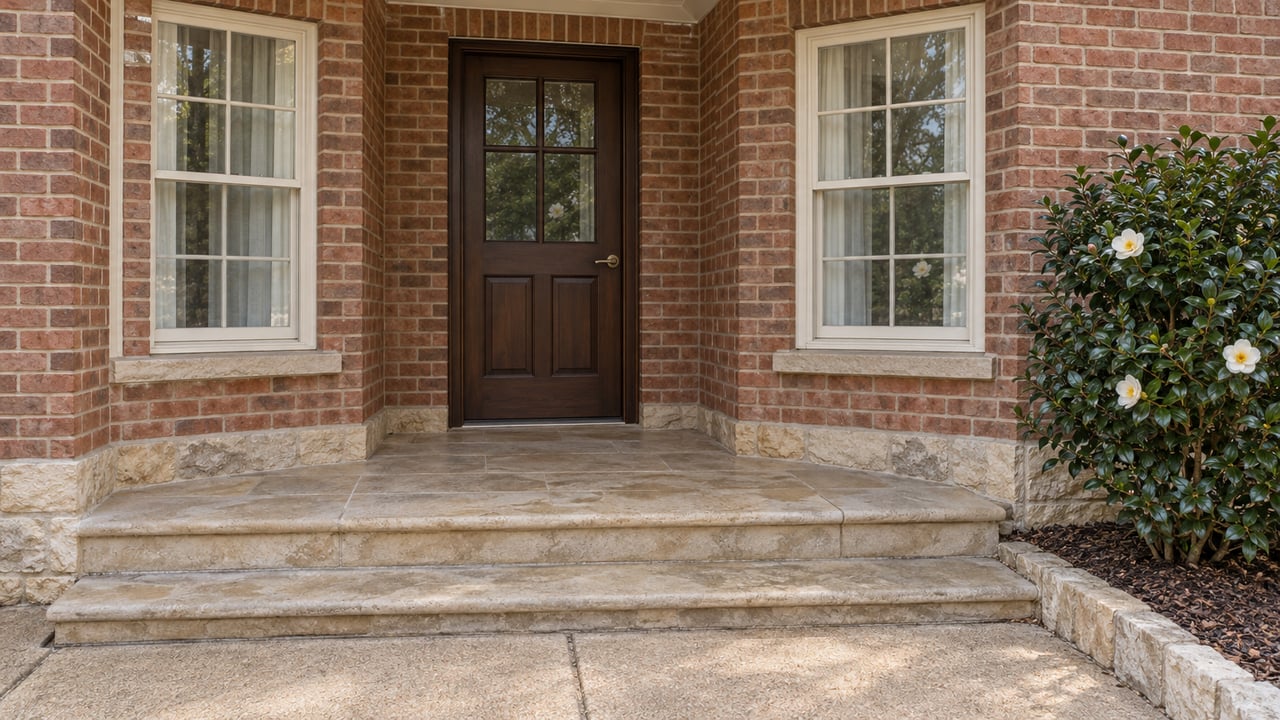
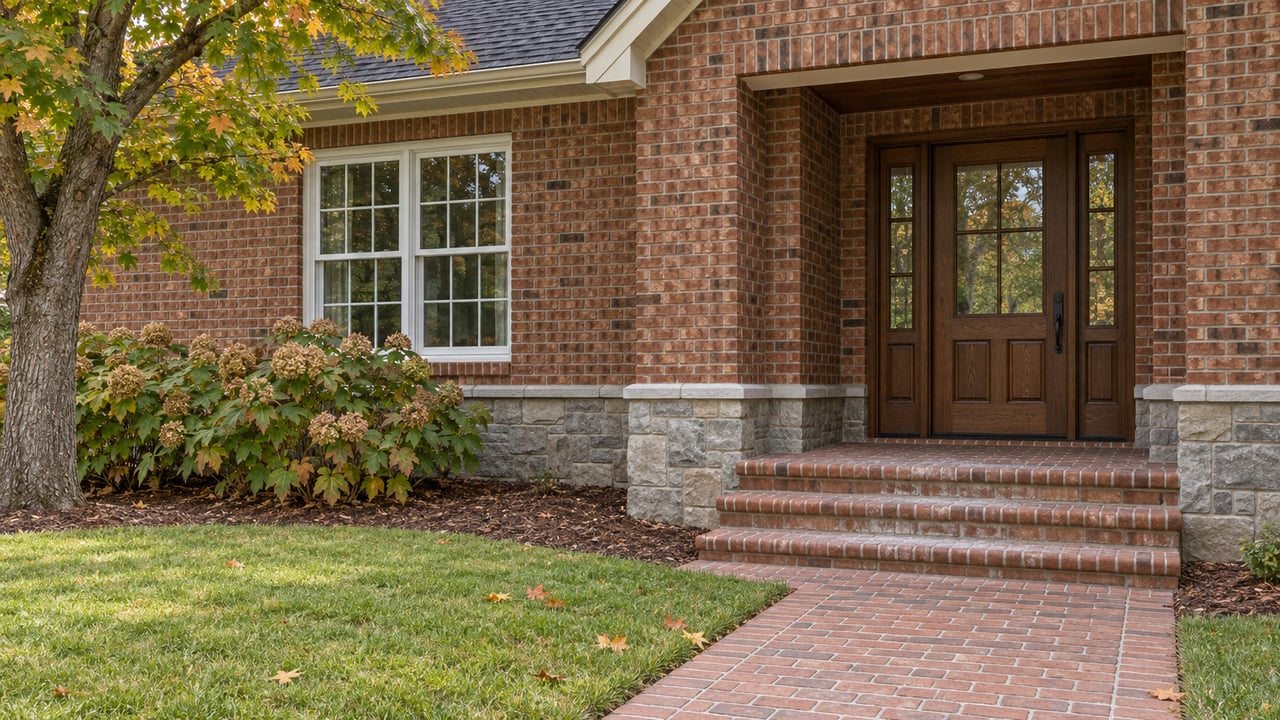
Keep walkways and porches clean and well lit. Add evergreen planters, fresh mulch, and tidy landscaping for color and contrast. Inside, aim for bright bulbs, open blinds, and a neutral, uncluttered look. If you have a fireplace or an upgraded kitchen, feature these lifestyle focal points prominently.
Showings and open houses
Offer flexible evening and weekend showings to accommodate work schedules. Consider virtual showings for remote buyers who cannot travel right away. Avoid major holidays for open houses, and lean into private showings or broker events to reach serious prospects.
Pre-listing repairs and inspections
A pre-listing inspection can remove objections before they surface. In winter, buyers pay close attention to heating efficiency, roof condition, gutters, and insulation. Addressing key items upfront builds confidence and can speed up negotiations.
Planning ahead for a spring launch
Spring brings more traffic, but also more competition. Your advantage comes from preparation. Start with a data-backed pricing plan that positions your home to stand out against similar listings. In some cases, opening at a compelling price can spark multiple offers and better net proceeds.
Book photography early and plan yard refreshes as the weather warms. If your home will be vacant or staged, lock in dates with your staging team to ensure everything is ready before the first weekend on market. More daylight gives you better photo windows and more flexible showing times, so time your launch to take advantage of that first wave of buyer interest.
Special notes for student and rental properties
If you are selling a rental or a home near campus, lease terms and turnover dates matter. Align your listing strategy with vacancy and showing access. Spring can bring a larger pool of University-related tenants and buyers, but listing during occupancy may preserve income while you market the property.
Provide clear documentation of rental history, current leases, deposits, and utility responsibilities. Highlight features investors value, like parking, low-maintenance finishes, and storage. Transparency helps buyers underwrite quickly and keeps your deal on track.
Financial and logistical timing tips
Taxes and timing can influence your plan. The primary residence exclusion is based on ownership and occupancy, and the sale date determines which tax year your transaction falls into. If year-end planning matters to you, consult a qualified tax advisor before you choose a listing date.
Mortgage rates affect demand. If rates are improving, waiting could expand your buyer pool. If they rise, listing earlier might help you catch stronger demand. Lender pipelines can also be busier in spring, which may add time to closings compared with quieter winter months.
Moving logistics vary by season. Summer moves tend to cost more and book out sooner, while winter moves can be easier to schedule. If you are buying a replacement home, coordinate timelines to avoid unnecessary carrying costs or short-term financing.
What to do next
The right timing is personal, and Northport’s micro-markets can shift season by season. The safest way to decide is to pair your goals with real, current neighborhood data. A tailored valuation, CMA, and marketing plan will show you what to expect if you list now versus waiting.
If you are weighing winter against spring, start with a quick strategy session. We will review recent local comps, inventory levels, and your property’s strengths, then outline a step-by-step plan for pricing, staging, photos, and launch timing. When you are ready, connect with Traci Taft to schedule a free consultation and get a custom game plan for your sale.
FAQs
When should Northport home sellers list for the best price?
- Many sellers see more traffic in spring, but low winter inventory can also deliver strong results when pricing and marketing are right; use a neighborhood CMA to compare both.
Do winter listing photos hurt my sale in Northport?
- Not if you plan well; schedule mid-day photos, brighten the interior, and add evergreen curb appeal so images feel warm and inviting despite shorter days.
How does the University of Alabama calendar affect timing?
- Some nearby neighborhoods and rental properties see peak turnover in late spring and early summer, so align your listing with lease expirations and expected demand.
What pricing strategy works in winter versus spring?
- Winter often rewards slightly more competitive pricing to attract a smaller buyer pool, while spring can support pricing that drives multiple-offer momentum if inventory is high.
Are moving costs lower if I sell in winter?
- Often yes; winter moves can be easier to schedule and sometimes cost less than peak summer dates, which helps if you are flexible on timing.
Should mortgage rate trends influence my listing date?
- Yes; if rates are improving, waiting may expand demand, while rising rates can reduce affordability, making an earlier listing more attractive for some sellers.