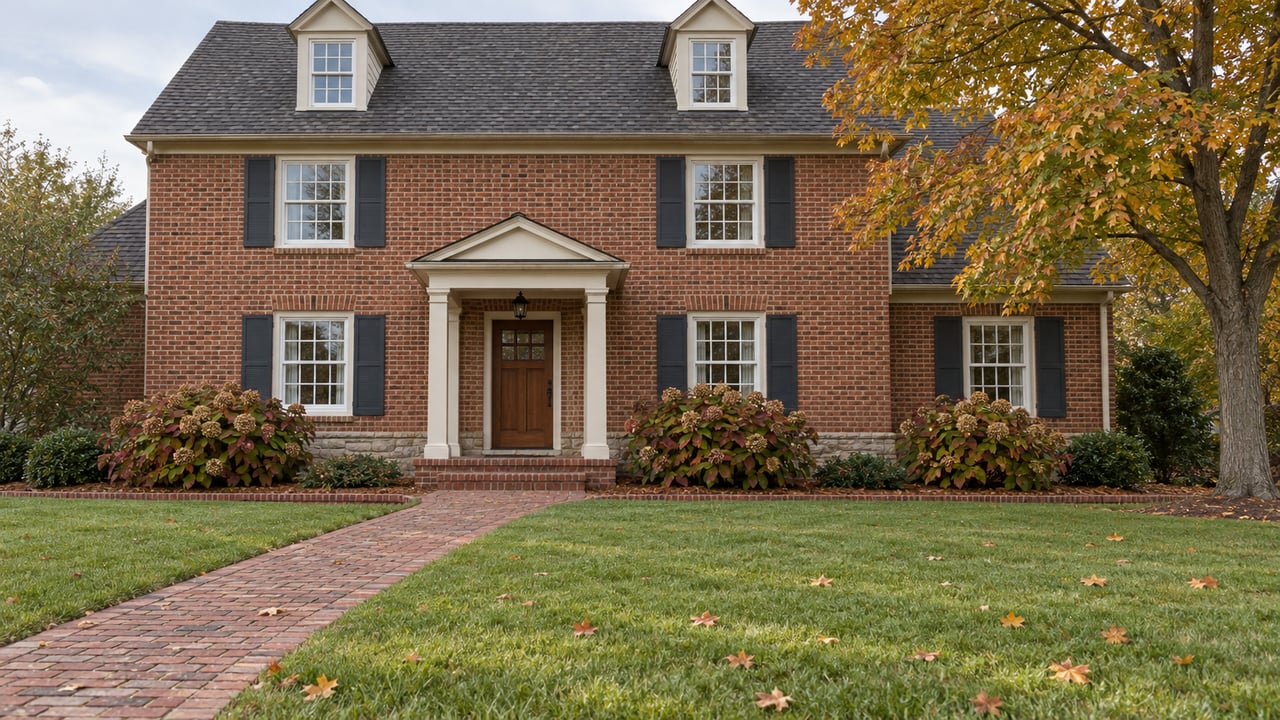
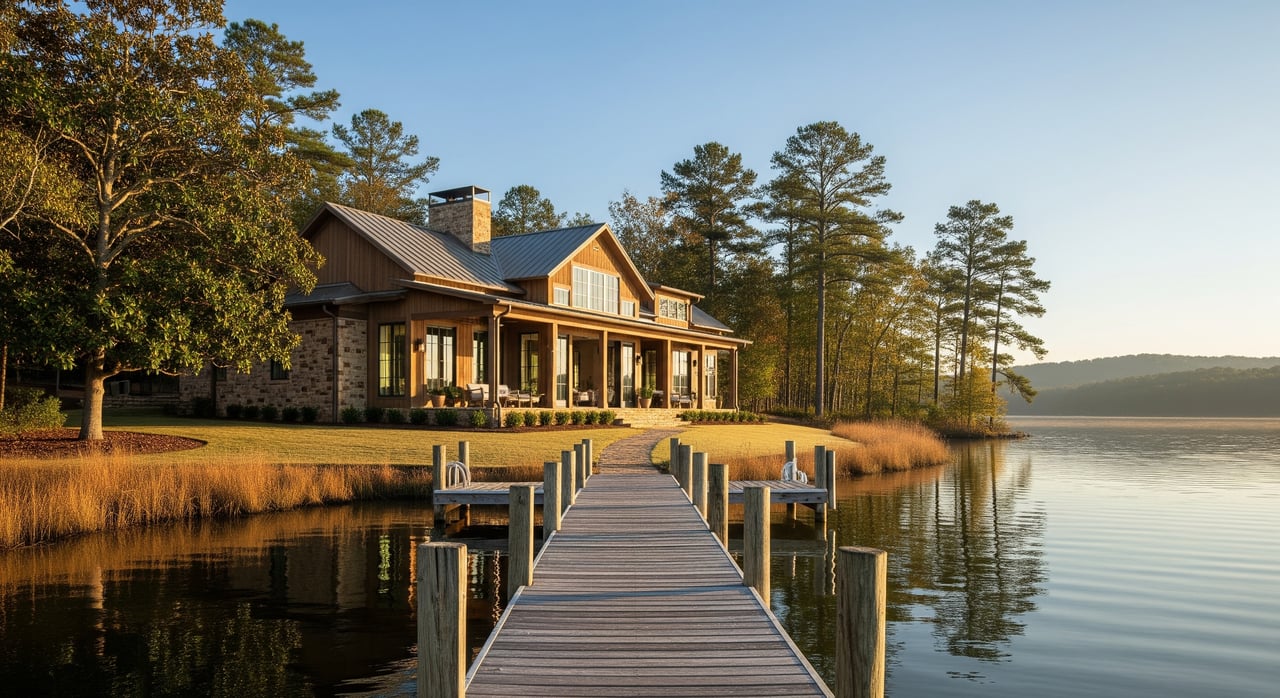
Will your Lake Tuscaloosa listing stop buyers from scrolling or get lost in the feed? When you are selling a waterfront home, photos and video are your first showing, and buyers quickly judge water access, views, and dock condition from what they see online. You want visuals that are beautiful, accurate, and safe. This guide walks you through location-specific tips for Lake Tuscaloosa so you can plan a media set that wins clicks and builds trust. Let’s dive in.
Shoot for Lake Tuscaloosa light
Lake homes look their best in the golden hour, the first hour after sunrise or the last hour before sunset. This warm, directional light brings out natural color, softens shadows, and creates clean reflections on the water. In our humid subtropical climate, calm mornings often deliver mirror-like water that flatters exterior shots.
Check sunrise and sunset for your shoot date, and plan around summer’s later evenings and winter’s earlier twilights. Scout the sun’s path so you know if your water view faces east or west. West-facing water glows at sunset, while east-facing water often shines at sunrise. If parts of the façade fall into shadow, use gentle fill light to keep things natural.
Make twilight work for you
For your hero image, consider a blue hour shot right after sunset. Interior lights will balance with the sky and add warmth. If you use sky replacements or significant lighting edits, note that in your marketing copy so buyers know what to expect in person.
Show the shoreline truthfully
Buyers want to understand the relationship between the home and the lake at a glance. Show how close the water is, the slope to the shoreline, and the type of access. Some properties have private docks, others rely on a community ramp, and some have vegetated or sloped banks. Be clear about which one you have.
Composition that answers buyer questions
- Shoot an oblique angle along the shoreline to reveal bank character and property depth.
- Capture a low, water-level perspective from the dock or a stable, low tripod to emphasize the panorama.
- If possible, add an elevated or aerial overview that shows the house, the dock, neighboring context, and distance to marinas or ramps.
Lens choices and reflections
Use a moderate wide-angle for exteriors to avoid distortion that can mislead on size or shape. A short telephoto can compress distance to show scale or a distant shoreline curve. A polarizing filter can reduce glare and enhance water color, but remove it if you want colorful reflections. Watch the wind. Calm mornings show off reflections. Breezy afternoons add texture that can hide distant views.
Be mindful of water levels
Reservoir water clarity and shoreline appearance can change with weather, runoff, or maintenance drawdowns. When you can, avoid showing an unusual snapshot that buyers will not see at typical levels. If you have a standout seasonal view, you can save it for supplemental materials and describe it accurately.
Make the dock a selling point
Your dock is part of the lifestyle and part of the safety story. The best marketing sets show both. Do a quick safety and staging sweep before you shoot.
Safety details to capture
- Structural condition: deck boards, pilings, railings, fasteners, ladders, and cleats.
- Safety equipment: a visible life ring, non-slip treads, depth markers, and a ladder.
- Access route: stairs or ramps from the house to the dock, including slope and condition.
- Lighting and electrical: dock lighting, outlet boxes, or shore power. Note if features were inspected or upgraded.
If the dock has known issues, do not hide them. Sellers are responsible for disclosing known hazards as required by state and local rules. Photograph honestly and pair your images with the right documents.
Smart staging for docks
Keep the dock uncluttered. Add simple, safe seating or a staged kayak to suggest use. Get close-ups of cleats, moorings, or lifts that are included in the sale. Avoid showing unsafe behavior, like kids without supervision or anyone on damaged boards. If you have permits or recent repair receipts, mention their availability in your listing materials, even if they are not part of the main photo set.
Connect interiors to the water
Buyers imagine daily life through rooms with a view. Photograph living spaces, the primary bedroom, the kitchen, and outdoor rooms like decks or patios with the lake clearly visible. Balance exposure so the outside view looks natural.
Use bracketed exposures or HDR to keep both interior detail and the bright exterior. If you prefer exposing for the window view, bring in gentle fill light so you do not end up with a dark room and a blown-out sky. Keep lines straight and clutter away from windows to let the water view breathe.
Drone footage that builds trust
Aerials help buyers understand the lot, shoreline, and proximity to amenities. They also come with rules. If you are paying for drone work or using it to market your listing, treat it as a commercial operation.
Legal musts for drone operations
- Commercial flights generally require a Remote Pilot Certificate under FAA Part 107.
- Follow key constraints like daylight operations unless you have a waiver, maximum 400 feet above ground level under standard limits, visual line-of-sight, and yielding to manned aircraft.
- Check airspace for authorizations near municipal airports or controlled airspace before flying, and keep records of any approvals.
- Respect privacy and local laws. Get permission if you will film over or prominently show a neighbor’s private area.
Shot list that shows real value
- A high oblique angle showing the house, dock, and shoreline relationship.
- A straight-down view to outline lot layout.
- A low altitude sweep along the shore to show water access and slope.
- Contextual frames that show proximity to ramps, marinas, bridges, and parks. Avoid implying property lines unless you include a survey.
Cautions and good neighbors
Do not fly low over a neighbor’s dock or home without permission. Avoid flights over people. Do not fly at night without a waiver because light reflections over water can be disorienting. Keep preflight logs, maintenance records, and proof of insurance on file. When you include neighboring properties in images, keep copies of written permissions.
Short, scroll-stopping video plan
Keep your primary tour between 60 and 180 seconds. Start with a strong exterior establishing shot, move inside to show the natural flow toward water-facing rooms, then close with the deck and dock at golden hour.
Capture cinematic B-roll to elevate the feel. Slow pans across the water, a walk down the steps to the dock, hands tying off at a cleat, birds gliding at sunset, and a calm approach to the dock from the water all build emotion without overselling. Record in horizontal for your website and MLS and grab vertical 9:16 clips for Stories and Reels. Cut one or two 15 to 30 second highlights for social ads.
Seasonal planning and safety in Northport
Tuscaloosa summers are hot and humid, and afternoon storms are common. Aim for morning or late afternoon shoots and watch wind, which can rough up reflections. Check for slippery banks, steep drops, and common regional wildlife like ticks or snakes when you scout. Confirm whether the shoreline access is private or under an easement, and get permission from neighbors or an HOA before using shared docks or shooting from neighboring viewpoints.
Seller media checklist
Use this plan to capture what buyers need and optimize for every platform.
Core photos
- Exterior hero shots front and back that show the home and water relationship, ideally at golden hour.
- A wide exterior or aerial that shows the lot, shoreline shape, and neighboring context.
- Dock and water access: full dock from shore, from dock back to house, and detail shots of ladders, cleats, materials, lifts, and safety gear.
- Steps or ramps to the dock, plus any bank stabilization or erosion so buyers understand the approach.
- Interior water-view rooms: living room, primary bedroom, kitchen, and any porch or deck, using bracketed or HDR exposure.
- Shoreline angles that show slope, vegetation, and a typical waterline.
- Optional lifestyle touches like a kayak or evening seating set, staged safely.
Video deliverables
- One 60 to 180 second walkthrough: exterior intro, interior flow, dock closing.
- Two to four short social clips in vertical and landscape formats.
- B-roll of water texture, sunset color, wildlife glimpses without stress, and an approach to the dock from the water when safe.
Delivery specs
- Capture at the highest practical resolution. Deliver high-resolution JPEGs for MLS and web-optimized versions for social. RAW capture is useful for editing latitude.
- Provide landscape images for listings and vertical clips for mobile social.
- Name files with the property address and shot description, and share a simple shot log with your agent.
- Apply realistic color correction and minor retouching only. Do not add or significantly alter features like widening water views or removing visible vegetation. If you use sky replacements, disclose them in your copy.
Quantity guidance
- Aim for 20 to 40 curated photos that cover exteriors, interiors, dock, shoreline, and aerials, adjusting for MLS limits and property complexity.
- Produce one primary walkthrough video and 2 to 4 short social clips.
Disclosures that protect your sale
Be transparent to avoid confusion and protect your negotiation leverage. Include a note that aerial images are illustrative and not a survey. Recommend that buyers reference the official survey for property lines. Disclose known dock conditions, recent maintenance, permits, or the absence of permits in your listing documents as required.
If you used a drone, document the operator’s Part 107 credentials. Keep copies of any permissions for neighboring properties or shared docks. If you anticipate seasonal shoreline changes, consider adding a short note about typical water levels or providing accurate seasonal images.
Work with a presentation-first local pro
The best media plan brings together honest storytelling and polished execution. You want a local guide who understands Lake Tuscaloosa’s light, shoreline types, access rules, and buyer expectations. A presentation-first approach with professional photography, thoughtful staging, and compliant drone work will help your home stand out and sell with confidence.
If you are planning to list on Lake Tuscaloosa or thinking ahead, let’s create a custom media plan that fits your property and timeline. Schedule a Free Consultation with Unknown Company.
FAQs
What is the best time of day to photograph a Lake Tuscaloosa home?
- Golden hour at sunrise or sunset produces warm, soft light and clean reflections, and calm mornings often give the smoothest water.
How should I show my shoreline and dock in photos?
- Use oblique shoreline angles, water-level views, and full dock shots from both the shore and dock, and include close-ups of materials and safety features.
Do I need a licensed drone pilot for real estate photos?
- Commercial drone work generally requires a Remote Pilot Certificate under FAA Part 107, plus adherence to airspace rules and daylight, altitude, and line-of-sight limits.
What interior shots matter most for lake buyers?
- Rooms with water sightlines sell the lifestyle, so capture the living area, primary bedroom, kitchen, and outdoor rooms that face the lake with balanced exposure.
What dock safety details should be visible in marketing?
- Show structural condition, ladders, railings, cleats, non-slip treads, lighting, and access routes, and disclose known issues or recent repairs in the listing documents.
Can aerial photos show my property lines?
- Treat aerials as illustrative only and direct buyers to the survey for legal boundaries, and avoid graphics that could imply exact lines without documentation.