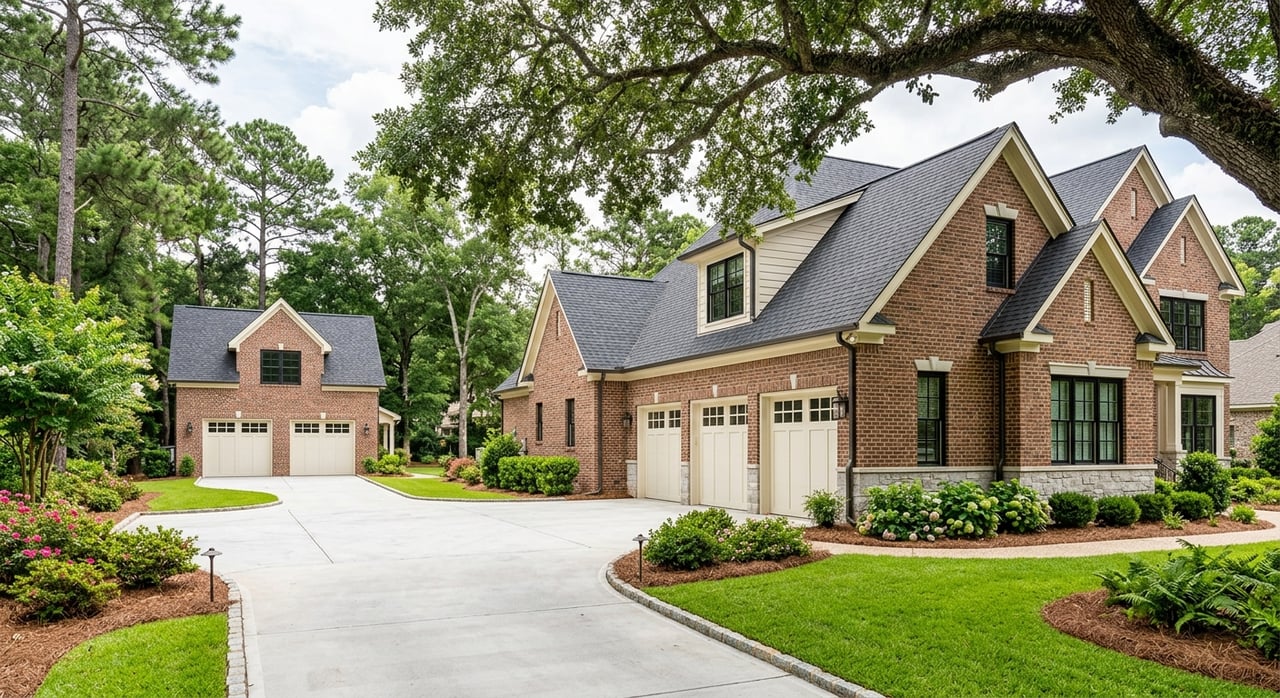
Need space for a boat, an RV, a workshop, or all three? In Northport, the right property is about more than bedroom count or square footage inside the home. If you want room to store gear, build a detached shop, or simply enjoy a more usable yard, you need to look closely at the lot, zoning, and private restrictions before you fall in love with a listing. Let’s dive in.
Why lot usability matters in Northport
Northport sits across the Black Warrior River from Tuscaloosa, and the area’s connection to Lake Tuscaloosa makes extra outdoor storage a real priority for many buyers. Lake Tuscaloosa is a 5,885-acre reservoir, so it is easy to see why some buyers focus as much on yard access and storage options as they do on the house itself.
That means a “big lot” on paper does not always equal a lot that works for your hobbies. You may need room for trailer access, parking clearance, setbacks, and a future outbuilding. In many cases, the best question is not “How large is the lot?” but “How much of this lot is actually usable for what I want to do?”
Start with zoning, not assumptions
Northport’s Planning & Inspections Department oversees planning, zoning, subdivision, and building regulations. The city also maintains an official zoning web map, and the zoning ordinance states that the official zoning map is the final authority on zoning status.
That is why parcel-by-parcel verification matters. Two homes that seem similar online can have very different rules based on their zoning district or whether they sit in a special overlay or historic area. If you are shopping for hobby space, boat storage, or RV parking, this step should happen early.
What standard residential zoning allows
In Northport’s standard RS zoning districts, minimum lot sizes vary by district:
- RS-1: 15,000 square feet minimum lot size
- RS-2: 12,000 square feet minimum lot size
- RS-3: 9,000 square feet minimum lot size
Minimum lot widths also vary:
- RS-1: 95 feet
- RS-2: 85 feet
- RS-3: 75 feet
These numbers help you compare lot types, but they do not tell the whole story. Even if a lot is larger than the minimum, the rest of the residential standards still apply. In other words, extra yard space does not automatically mean extra buildable area for a shop, shed, or parking pad.
AG zoning may offer more flexibility
If your goal is a larger detached shop, more substantial storage, or a true lifestyle lot, the AG district is the clearest fit in the Northport code. Detached single-family homes in AG require 3 acres, with 50-foot front, rear, and side setbacks and a 35-foot maximum height for the main dwelling.
For buyers who want room to spread out, AG can be a better match than a standard residential lot. On AG lots of 3 acres or more, accessory structures must be set back at least 100 feet from the front lot line, and the usual rule that caps accessory structure floor area at 50% of the principal structure does not apply. That can make a major difference if you are planning for a workshop, storage building, or other large outbuilding.
Accessory structures have real limits
Northport requires a permit before you build an accessory structure. In most cases, an accessory structure cannot be established before the principal structure is substantially complete, except for agriculture-related structures in the AG district.
On residential lots, accessory structures cannot be taller than the principal residence or 25 feet, whichever is less. If the structure is taller than 15 feet, the side and rear setbacks increase by 1 foot for every 2 feet of height above 15 feet.
The city also limits placement and spacing. Accessory structures cannot sit in a required front yard or buffer, and residential accessory structures must be at least:
- 10 feet behind the front building line
- 10 feet from the principal structure
- 5 feet from any other accessory structure
In most residential settings, total accessory structure floor area is capped at 50% of the principal structure. That total includes things like open carports, gazebos, and greenhouses, but not swimming pools.
There are also appearance standards to consider. Accessory structures are generally expected to use materials compatible with the main house, and that can affect what type of building makes sense for the property. One metal or prefabricated rear-yard structure under 200 square feet is allowed even if its materials do not match the house.
Why pre-offer planning is so important
If you are serious about a hobby property, measuring before you write an offer can save you time and frustration. Northport’s accessory structure application requires a site plan or sketch showing property lines, existing and proposed structures, and dimensions.
A building permit is required if the accessory structure exceeds 200 square feet. If the structure will have power, an electrical permit is also required. Those requirements make it smart to think through placement, access, and size limits before you commit to a home.
Watch for special districts and extra rules
Not every lot in Northport follows the same playbook. The zoning ordinance includes general districts, special purpose districts, special corridor overlay districts, and carryover or downtown districts.
That means parcel-specific rules can shape what you can actually do with the property. A listing may mention “room for a shop” or “plenty of space for your toys,” but the details still need to be verified against the district rules.
Historic Neighborhood district
In the Historic Neighborhood district, lots must be at least 50 feet wide and follow a required width-to-depth ratio. Accessory buildings must be 3 feet from rear and side lot lines, and alley-facing garages must be set back 5 feet.
This district also adds standards for porches, roofs, facades, and lot orientation. So even if the lot seems large enough, hobby-space additions may be more constrained than they would be on a standard RS lot.
Conservation district
In the Conservation district, driveway rules can matter in a big way for boat and trailer owners. No more than one driveway is allowed per property, and no driveway may have more than two lanes at the front lot line.
Parking areas visible from the river must also be screened. If convenient access and vehicle maneuvering are a top priority, these details are worth checking early.
RV storage is not the same as an RV park
Northport regulates recreational vehicle parks as a separate land use with their own standards for acreage, frontage, circulation, and spacing. That is important because private residential RV storage should not be confused with RV park use.
For buyers, the takeaway is simple: storing your own RV at home is a different question from operating or creating an RV-related commercial use. If a property is part of your long-term lifestyle plan, make sure your intended use matches the parcel’s actual rules.
If your hobby becomes a business
Sometimes a workshop, craft room, or gear setup is more than a hobby. If you plan to run a small business from home, Northport’s home occupation rules add more limits.
Under the ordinance, no new accessory structure may be built for the business. Home occupations are capped at 25% of the dwelling and accessory-structure floor area, up to 500 square feet. On-site vehicle repair is prohibited, and no more than two company or commercial vehicles may be parked at the property. Those vehicles also cannot be parked forward of the front building line.
Do not overlook HOA and deed restrictions
Even if zoning works, private restrictions may still change the picture. Recorded covenants, conditions, and restrictions can regulate property-use details such as fences, storage, business activity, and other exterior uses.
In practical terms, that means a home can be legal from a zoning standpoint but still not work for your plans. If you want room for an RV, trailer, extra parking, or a future outbuilding, HOA documents and title-related restrictions should be reviewed early.
A smart Northport buyer checklist
Before you buy a Northport home for hobbies, boats, or RVs, it helps to work through a simple checklist:
- Verify the parcel’s zoning using the city’s official zoning map
- Ask whether the home is in a special district or municipal historic district
- Measure usable yard area, not just total lot size
- Check setbacks, buffers, and possible easements
- Review driveway access and turning space for trailers or larger vehicles
- Confirm whether an accessory structure is already permitted or could be added later
- Review HOA rules and recorded private restrictions
- Ask city staff about zoning questions and Engineering staff about flood-insurance questions when relevant
How Traci Taft helps you buy smarter
When you are buying a property with lifestyle needs, local knowledge matters. A home search like this is rarely just about finding the prettiest listing. It is about matching your day-to-day life with a property that works on paper and in practice.
As a lifelong Northport and Tuscaloosa area local, Traci Taft understands that the right fit often comes down to details that are easy to miss online. Whether you are relocating, moving up, or looking for a property with room to grow, she brings a relationship-first approach and the local perspective that helps you ask better questions before you buy.
If you are searching for a Northport home with space for hobbies, boats, or RVs, connect with Traci Taft for a personalized consultation.
FAQs
How much lot size do you need in Northport for a shop or hobby space?
- In Northport’s standard RS districts, minimum lot sizes range from 9,000 to 15,000 square feet. For a truly large outbuilding or substantial yard use, AG parcels with 3-acre minimums are the clearest fit under the city code.
Can you build a shed or shop before the house in Northport?
- Generally, no. Northport’s zoning ordinance says accessory structures may not be established before the principal structure is substantially complete, except for agriculture-related structures in the AG district.
Does a larger Northport lot automatically allow more outbuildings?
- No. Setbacks, buffers, height limits, spacing requirements, and district-specific rules still apply, even when a lot is larger than the minimum size.
Can HOA rules affect boat or RV storage at a Northport home?
- Yes. Private recorded restrictions can be stricter than zoning, so HOA documents and other property restrictions should be reviewed early in the buying process.
What should Northport buyers verify before relying on a listing with extra space?
- Buyers should verify zoning, special district status, usable yard area, setback limits, possible easements, driveway access, and any private restrictions before assuming a property will work for boats, RVs, or hobby buildings.